A home that shows the seasons feels active. Light changes, air top quality adjustments, colors outside brighten, fade, and frost over. If your walls remain the exact same year round, your spaces can lag behind the mood of the calendar. A seasonal rotation of paints brings rhythm indoors, straightening the inside with what you see and really feel outdoors. It is not regarding acquiring unlimited art. It has to do with curation, storage, and a tempo that maintains familiar spaces unexpected. Over years of installing collections and encouraging customers, I have discovered that a straightforward strategy, grounded in the functional facts of framing, wall strength, and day-to-day live, supplies the most poise for the least fuss.
The frame of mind behind a seasonal rotation
Treat your wall surfaces like a closet. You do not wear a bed linen sports jacket in January or a heavy tweed in July. Art requests the very same factor to consider. Warmer months welcome open room and movement. Brief days and cool evenings require density and deepness. When you revolve paints for home spaces with purpose, rooms acquire aesthetic clearness and your eye stays clear of tiredness. You likewise minimize threat to the works themselves, considering that light, moisture, and home heating cycles vary throughout the year.
The process works best when you assume in households rather than individual masterpieces. Take into consideration groups by scheme, dimension, and mood. A collection of coastal oils, as an example, could arise for springtime and summertime, while your darker tonal abstracts or moody pictures arrive with autumn and winter season. This approach makes switching efficient and cohesive. You are not exchanging one big thing. You are adjusting an ensemble.
Planning prior to you raise a frame
Start with a schedule and a map. The calendar supports your cadence, the map avoids turmoil. Four turnings per year suit most houses, fixed to equinoxes and solstices. If your environment has lengthy shoulder periods, plan 3 turnings and allow springtime hemorrhage right into very early summer. High-traffic homes with children or family pets typically favor two rotations a year to keep managing very little. The best answer fits your life, not a rule.
Your map is a layout with wall locations kept in mind and a quick document of sun direct exposure, warm sources, and sightlines. In each space, stand where you get in and provide what you see first, second, 3rd. Those first 2 wall surface places matter the most. They lug the seasonal shift. Additional walls can hold stable anchor items that rarely move. Keep in mind outlet areas, light switches, and door swings. You do not desire a leading canvas where a door edge will certainly clip it.
If you are going back to square one, establish a core collection that can cycle. A functional mix resembles this in regards to sizes: two large works around 40 to 60 inches wide, four to six mid sized items in the 24 to 36 inch variety, and a six small jobs from 8 by 10 as much as 16 by 20. Mix media intentionally: oil or acrylic on canvas for aesthetic weight, a couple of watercolors or gouaches under UV glass for delicacy, and at least 2 work with paper with visuals strike that can lighten up a hallway or dining nook. Diversifying media offers you bars to draw when the light changes.
Matching art to the periods without clichés
It is easy to lean on daisies for springtime and pumpkins for loss. Resist actual photos unless you enjoy them. Believe in qualities of light, line, and color that evoke the season without revealing it.
Spring wants quality, air, and a feeling of higher lift. Landscapes with soft eco-friendlies, abstract deal with generous unfavorable area, or figurative pieces that really feel in motion all fit. I such as oil illustrations where brushwork continues to be noticeable, as if the paint is still creating, which mirrors the season's energy.
Summer brings much longer viewing distances many thanks to brighter areas. Functions can step up in scale and saturation. Large canvases with huge forms read well in open strategy living areas where glare would rinse refined information. Maritime scenes work near home windows if the framework has appropriate spacers and UV glazing, but strong abstracts in ultramarine, lemon, and coral reefs can strike the same chord without slipping into motif decor.
Autumn handles intricacy. Earth tones, layered glazes, and textured surface areas attract customers in when evenings lengthen. Watch on shade temperature. Deep blues and trendy grays can soothe a dining room during hectic months, while oxblood, sienna, and olive feel grounded in a research. Vintage items, also small ones, come into their own when light lowers and side lights develop raking highlights throughout brushstrokes.
Winter prospers on affection. Little metaphorical works hung lower than usual match reading edges. Black and white works on paper, specifically charcoal or digital photography, cut through very early sunsets and develop a peaceful rhythm. If you have a solitary declaration item with strong chiaroscuro or a restrained combination, winter season can mount it perfectly. Temper this with 1 or 2 brilliant accents where morning light hits, to stay clear of a heavy state of mind in grey weather.
Wall selection and the science of light
Art ages under light, particularly UV. The annual sun arc adjustments strength and angle. A seasonal rotation allows you secure at risk works and maintain colors truer over decades. As a rule of thumb, works with paper need UV safety glazing and must leave sunlight subjected walls throughout the highest UV months. Oil and polymer on canvas tolerate light better, but varnish can still yellow under extreme exposure if you never offer it a break.
Notice the locations in your house at different times. In most latitudes, south encountering home windows flood rooms in winter season when the sunlight trips reduced, and west encountering windows provide late day heat in summer season. Absolutely nothing replaces observation. Take images at the same hour in March, July, October, and January. You will certainly see patterns. Utilize those pictures to make a decision which items inhabit the intense walls when, and which relocate to shaded zones.
Artificial light issues also. LEDs with a high color providing index, ideally 90 or above, reveal accurate shade and create regular viewing. Track heads with narrow beam angles can highlight a solitary paint, yet prevent overly tight spots on deal with shiny varnish, which can trigger glare. Wall washing machines or photo lights with diffusers offer even lighting. If you change light bulbs seasonally, established pointers. Warmer bulbs around 2700 K can flatter wintertime setups. Neutral white in the 3000 to 3500 K array offers springtime and summer season, especially for crisp works on paper.
Frames, mats, and the duty of borders
Frames act like clothes for your art, and you can tweak seasonal personality by swapping inner components as opposed to structures themselves. Mats in off white or all-natural linen open room around an item, which suits springtime and summertime. A narrow black floor covering or a cozy gray in winter months focuses the picture. Drifting structures create breathing room around canvas sides and function well in summer when everything increases visually. In fall, an account with subtle depth and a finish that carries appearance, such as hand massaged bronze or fueled oil walnut, sets much better with split compositions.

Do not disregard glare. High gloss varnish, shiny acrylic glazing, and glossy metal frameworks can contend low sunlight angles. Where glow is inescapable, switch that place to a matte surface area item for the brilliant season, then revive the glossy star when the sun weakens.
Storage that protects and speeds up changeover
A rotation lives or dies on exactly how you keep the off period works. A spare closet that becomes a jumble will slow you down and damages corners. Believe vertical storage space with air flow. An easy shelf from 1 by 3 lumber and really felt pads can hold canvases upright with divider panels every 3 to 5 inches. Works theoretically ought to live flat in historical boxes or in profiles, each inside an acid cost-free sleeve. If space is limited, take into consideration under bed drawers with desiccant packs. Avoid attics and garages. Temperature swings warp stretcher bars and motivate mildew.
Label everything. On the back of each painting, tape a card with title, musician, medium, and a note on ideal wall places. A printed thumbnail aids when you are flipping through covers. Store hanging equipment in a small zip bag affixed to the back with painter's tape. Absolutely nothing hinders a Saturday swap like hunting for a missing D ring.
For wraps, padded relocating blankets job, but quilted archival wraps with Velcro hold better and create much less dust. Keep a handful of foam edge protectors in a drawer. If you have young children or felines, invest in museum putty. A pea sized bit behind lower structure corners keeps a piece steady.
A sensible rotation plan by room
Living area: Deal with the largest wall surface as a phase. For spring and summertime, anchor it with one big linked structure or a trio of mid sized works that review as one. Keep the sightline open. In autumn and winter months, collection extra snugly. If you have a fireplace, avoid hefty items over the mantel throughout top heating months unless you maintain moisture in between 40 and 55 percent. Heat surges and can dry out canvas and paper.
Dining area: Many meals occur at sundown and after dark for half the year, so the art right here should radiate under synthetic light. Works with texture catch candlelight. During summertime, button to light toned items that do not take on exterior views through neighboring windows.
Bedroom: Go for calm. In spring, soft agricultural or abstract pieces with flush, sage, or pale blue relieve without energy spikes. In winter, a couple of tiny operate at eye level near a reading chair add affection. Prevent oversize mirrors facing home windows if they reflect solid sunlight onto art across the room.
Kitchen: High moisture and oil are adversaries of art on paper. Book this area for resilient inks on light weight aluminum or secured acrylic paintings that tolerate wipe downs. In summer season, keep fewer pieces to decrease visual clutter. In winter season, a brilliant, graphic work over a breakfast nook can wake the room.
Entry and corridors: These are your seasonal carriers. A button below touches everyone that goes across the limit. In spring, replace a hefty landscape with a light, upright item that raises the eye. In winter season, consider a small hair salon design cluster, five or six pieces close and conversational, that invites remaining throughout layer removal.
Building a modular gallery wall surface that uses the year
Many customers like a gallery wall surface, then realize it is difficult to change without leaving holes. The remedy is a modular rail system or a 2 tier screw map. Rails enable you to rehang without brand-new openings. If you prefer screws, draw up a grid and usage frame cord on the majority of items to give side change. Adhere to a constant spacing motif, such as 2 and a half inches between frames, which looks clean even when the material shifts.
For seasonal range, maintain the grid and swap the material: leading row for airy works in spring, lower rows for denser compositions in autumn. Revolve small accents in the outer sides to alter the wall's temperature level from warm to cool. Photo each arrangement. When you go back to a previous format, the photo acts as a quick recipe.
Budgeting and procurement strategy
You do not need a museum's budget to build a seasonal rotation. What you do need is discipline. Establish a yearly art fund, even a moderate one, and a straightforward rule: each new item should either finish a seasonal set or boost a weak spot. Stand up to impulse purchases that do not fit any kind of season. If an item haunts you for days, revisit it with your seasonal plan in mind and choose where it will certainly stay in January, April, July, and October. If you can not put it a minimum of two times, pass.
Art fairs and open workshops are reliable sources for mid sized jobs that can bring a wall. Pupil events and local co ops commonly produce solid work with paper, best for spring and winter. On the internet marketplaces can fill spaces, however vet products. Request images of the back, stretcher condition, and glazing type. For paintings for home collections that will rotate, prioritize solid construct quality: sealed backs on mounted jobs, limited canvas with keys present, and non acidic mats.
Safeguarding condition via the year
A rotation routine functions as precautionary preservation. Prior to each swap, examine frames, cords, and edges. Tighten screws on D rings, replace fraying cable, and inspect that canvas is still taut. If you see splashing or listen to a dull thud when you tap the canvas side carefully, the fabric may have loosened up in humidity. Use the cot secrets to change gently, or speak with an if you are unsure.
Dust constructs faster near a/c vents. A soft, tidy, natural bristle brush, used gently as soon as a month, keeps surfaces clean. Never spray cleaner near art. If glass reveals touches, spray a fabric away from the job and wipe sides only. Functions theoretically ought to never be exposed when you swap. Maintain them covered up until they reach the wall surface. Lightly put on framework corners can be revitalized with wax sticks that suit the surface. If a chip exposes raw wood, retouch sparingly and ondemandpainters.com painters chicago allow it heal completely prior to rehanging.
Hanging heights, sightlines, and the human factor
The rule from galleries, eye degree at 57 inches from the floor to center, is a beneficial standard. Homes differ, therefore do people. If your family averages taller, 60 inches can look all-natural. Over a couch or console, keep the reduced structure 6 to 10 inches above the leading surface, not drifting a foot or even more into area. Seasonal turnings take advantage of subtle shifts in height. Reduced a winter season analysis piece by an inch to make it intimate. Elevate a big summer season item somewhat to clear light tones and enable air to move visually.
Traffic patterns determine toughness requirements. A hallway where backpacks forage wall surfaces calls for durable structures and acrylic glazing, not glass. The same hallway might host fragile works in winter season if coats and school bags live elsewhere. Be practical. A rotation is indicated to reduce your life, not present stress.
Curating shade with the rest of the room
Art hardly ever lives alone. Textiles, rugs, and flowers shift seasonally as well. If you alter pillow covers and tosses, utilize those to resemble or toughen up wall color. In summertime, a strong paint can draw a navy stripe from a carpet and connect an entire space with each other. In winter season, a picture with warm complexion might lead your selection of a camel throw or amber glass lamp.
Try this fast exercise when intending each season: gather swatches for your major fabric changes and lay them under 3 candidate paintings. Picture each pairing in daytime and evening light. The very best selection generally reveals itself in the images. The cam compresses contrast and demonstrates how shade really reviews when you are not staring at it.
One afternoon, four wall surfaces: a genuine schedule
I have strolled several clients with a 4 area swap in a solitary mid-day. Here is the order that keeps the day smooth and the mess contained.
- Stage and preparation: Lay relocating coverings or a tidy sheet in the biggest space. Bring all outbound and incoming works right here. Collect tools: measuring tape, pencil, level, stud finder, drill with small bit, museum putty, microfiber cloth, gloves, added hooks. Remove and clean: Remove outward bound pieces initially, room by space, and bring them to the staging area. Wipe wall surfaces gently with a dry towel, check support factors, and retouch any type of scuffs with matching paint if handy. Hang primary anchors: Install the dominant piece in each room before completing secondary areas. Make use of the very same center elevation target across rooms for cohesion, after that mini readjust a half inch up or down as needed. Fine tune and light: Change beam of light angles on course lights or examine lamp placements. Step back to the entry factor of each room and confirm that the plan checks out plainly from a distance. Pack and label: Cover off period jobs, update labels if you altered their liked locations, and shop vertically in their shelf or boxes.
This series works because it decreases to and fro. You just deal with each piece two times, and you solve the huge decisions prior to running out of energy.
Handling family members art and sentimental pieces
Not every painting fits a seasonal state of mind. Some hold their ground all year for emotional reasons. That is healthy and balanced. Pick one or two anchors that do stagnate. After that let your turning mess around them. If you have a child's artwork that ends up being a winter months emphasize, structure it expertly. A tidy mount, UV glazing, and a straightforward framework boost it without editing its spirit. Household images additionally take advantage of seasonal curation. Swap a few out in spring for light hearted photos, after that revive heritage pictures in fall when your home leans cozy.
The home side case
In studio apartments, storage space is the bottleneck. Two strategies aid. First, scale down the rotation by concentrating on one wall surface per season while leaving others consistent. Second, utilize relatively easy to fix frames with port systems for deal with paper. These allow you maintain multiple pieces in one frame and flip what is visible. For huge canvases, think about renting a small locker only for off period art. The expense, topped a year, is frequently less than a single new structure, and it protects your investment.
Environmental controls that shield and flatter
Seasonal moisture swings impact both art and structures. A portable humidifier in winter months can hold 40 to 45 percent loved one moisture, which shields timber frames from reducing and maintains canvas tight. In humid summer seasons, a dehumidifier stops swelling and mold. If you only check one metric, make it relative humidity. An affordable digital hygrometer in each room where you display art informs you when to adjust.
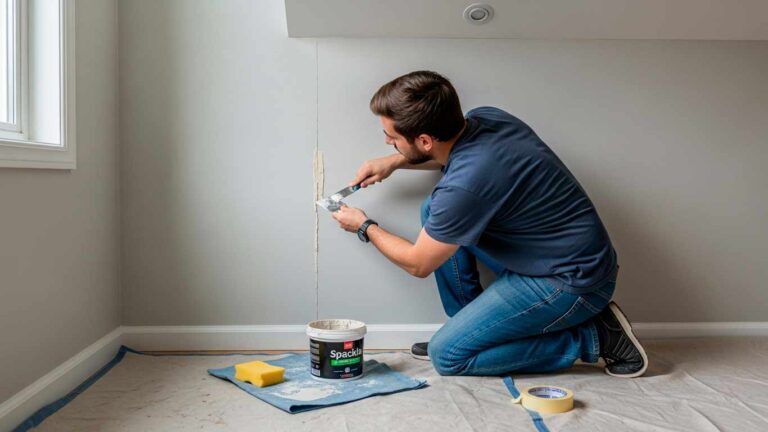
Temperature issues less than rapid change. Avoid positioning art over radiators, near to fire places, or on wall surfaces that back exterior brick without insulation, where condensation can form during cold wave. If you have to make use of those places, choose long lasting media, like secured acrylic on panel, instead of fragile paper.
When to damage the rules
An intense abstract can sing in winter if you long for power. A thick, moody work can ground an also brilliant summer season space. Your eye and state of mind are the utmost guides. If a piece really feels right out of season since it responds to a demand, trust fund that. Turning is a tool, not a regulation. The objective is to keep your home in discussion with the globe outdoors and the people inside.
Measuring progress and avoiding burnout
The initial year of rotation shows you what jobs. Keep a quick journal: what you hung, where, and exactly how it really felt. A line or 2 per room each season is enough. Over time, you will see practices emerge. Perhaps the dining room hungers for peaceful despite the month. Or your access demands shade in February. Use those notes to improve the following round.
Avoid overhandling. Paintings are not props. Plan your modifications theoretically and in your hosting area to minimize lifting. If an item is hefty or placed high, obtain assistance or employ an art installer for an hour. Their cost is small contrasted to repairing a gone down frame or patching a wall.
Sustainable choices and the long view
Rotating paintings is naturally sustainable because it optimizes the worth and life of what you currently possess. Press that even more. Select archival products for framing. Buy from artists and galleries that record products. When you commission a piece, go over sealing and framing alternatives that match your turning setting. A small financial investment in advance prevents difficulty later.
Over years, the turning enters into your household rhythm. Visitors observe that the house feels various in April than in October, though they may not determine that the seaside research has made way for a charcoal figure. Youngsters track seasons not simply on a schedule but aware they hand down the method to morning meal. You experience your collection deeply since you see works in varied lights and state of minds. That splendor, greater than any kind of single acquisition, is what makes a home gathered as opposed to decorated.
A last word on taste and personal compass
Guides help. Examples motivate. But a paint's job is to move you. If your winter asks for a streak of lemon yellow across the living room, hang it. If your summer wants the quiet of a narrow black and white picture, depend on that also. The turning provides you consent to transform your mind, to try, to live with something for ninety days and afterwards relax it. The wall surfaces remember. The seasons will keep coming. Allow your art keep up, and your home will really feel alive.
By making a strategy, keeping intelligently, and adjusting to the light and mood of each season, revolving paints for home comes to be a routine that compensates you month after month. The work occurs in a few focused afternoons, and the benefit lasts up until the leaves transform or the very first cozy wind rattles the screens. That easy cadence is the trick: a home that greets the period at the door and lugs it, gracefully, through every room.
OnDemand Painters 2333 N Southport Ave Apartment 1, Chicago, IL 60614 +13126380560 http://www.ondemandpainters.com/